Name Encounter
Someone learns your name.
Psychology
When you meet someone for the first time, their name is one of the first things you learn. But does it change how you treat them?
Research shows that names trigger unconscious biases that affect everything from job interviews to social interactions.
Your name is a powerful signal. It carries assumptions, stereotypes and expectations.
Quick Answer
Do people treat you differently based on your name? Yes. Research consistently shows that names trigger unconscious biases. People make assumptions about age, race, class and personality based on names. This affects hiring decisions, social interactions and even educational outcomes. However, these biases can be recognized and overcome.
Quick Overview
Do people treat you differently based on your name? Yes. Research consistently shows that names trigger unconscious biases.
People make assumptions about age, race, class and personality based on names. This affects hiring decisions, social interactions and even educational outcomes.
Visual Guide
The psychological process of how names influence treatment.
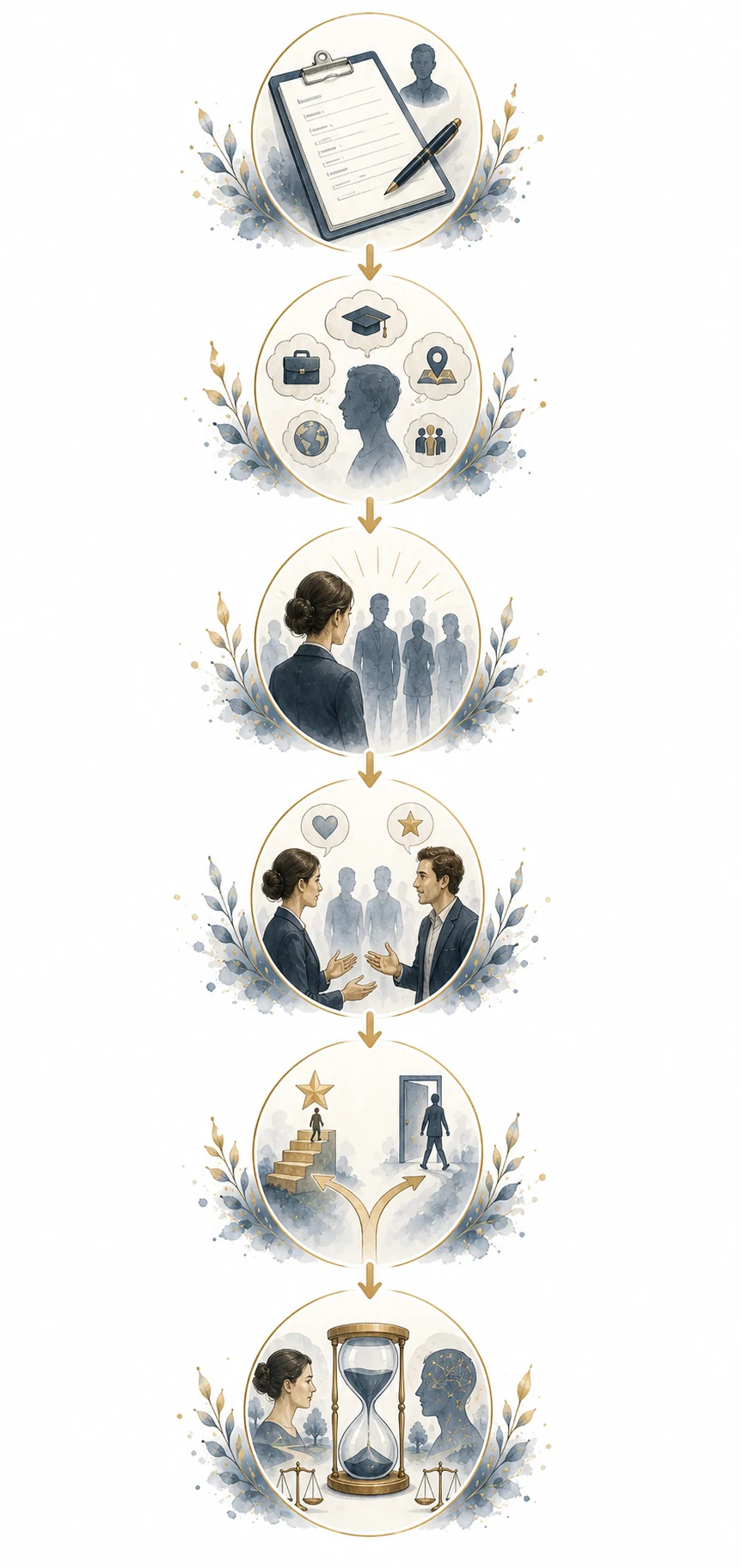
Someone learns your name.
Unconscious assumptions are triggered.
Behavior is influenced by assumptions.
Treatment affects outcomes and experiences.
Name bias works through unconscious associations. When we hear a name, we automatically make assumptions about the person.
These assumptions can be about age, race, class, education, personality and many other factors. They happen instantly and automatically.
The assumptions are based on cultural associations. Names that are common in certain communities trigger different assumptions than names common in other communities.
This is not necessarily intentional. Most people do not consciously decide to treat someone differently based on their name. But the bias still affects behavior.
There are many documented examples of name-based treatment.
In hiring, studies have shown that identical resumes with different names receive different callback rates. Names that sound more 'conventional' often receive more responses.
In education, teachers may have different expectations for students based on their names. A name that sounds 'intelligent' may lead to higher expectations.
In social settings, people may make different assumptions about personality based on names. Someone named 'Grace' may be assumed to be more refined than someone named 'Storm'.
In housing, people with names that signal certain racial or ethnic backgrounds may face more discrimination.
These examples show that do people treat you differently based on your name is not a hypothetical question. It is a documented reality.
Academic Study
Academic Study
Academic Study
Academic Study
Academic Study
| Context | How Names Matter | Strength Of Effect |
|---|---|---|
| Job Applications | Callback rates differ by name | Strong |
| Classrooms | Teacher expectations differ | Moderate |
| Social Settings | First impressions differ | Strong |
| Housing | Discrimination based on name | Moderate |
| Healthcare | Treatment may differ | Mild |
People do not judge you by your name.
Research shows that people do make assumptions based on names, often unconsciously.
Name bias is always intentional discrimination.
Most name bias is unconscious. People are often unaware they are making assumptions.
Only unusual names trigger bias.
All names trigger some level of bias. Common names also carry associations.
Name bias cannot be overcome.
With awareness and effort, people can reduce name-based bias.
Important
Do people treat you differently based on your name? Yes. But it is often not intentional. Most name bias is unconscious. Recognizing this is the first step to overcoming it.
Verdict
People do treat others differently based on names. Research consistently shows name effects in hiring, education and social contexts. However, these biases can be recognized and overcome.
The question of whether people treat you differently based on your name reveals something about how society works.
Names are signals. They carry social meaning. They trigger assumptions that are often based on stereotypes.
This is not just about individuals. It is about systemic patterns of bias.
Understanding name bias can help us create a fairer society. If we know that names trigger unconscious assumptions, we can take steps to counteract them.
What does that tell us? That names are not just personal. They are social. They carry the weight of culture and history.
Yes. Research shows that names trigger unconscious assumptions that affect treatment in hiring, education and social settings.
Studies have shown that identical resumes with different names receive different callback rates. Names that sound more conventional often receive more responses.
Most name bias is unconscious. People are often unaware that they are making assumptions based on names.
Yes. With awareness and effort, people can reduce name-based bias. Organizations can also implement policies to reduce bias.
Yes. Research shows that teacher expectations can be influenced by students' names, which can affect academic outcomes.
Do people treat you differently based on your name? Yes. Your name carries assumptions. It shapes how people see you before you even speak. But it does not have to define you. You are more than your name. And with awareness, we can all learn to look beyond names.