Originally Common
Adolf was a common name in German-speaking countries.
Naming Rules
Few names carry as much historical weight as Adolf. For many, it is permanently linked to one of history's darkest figures.
Despite this, naming your child Adolf is not banned in most countries. But some nations have taken specific steps to prevent its use.
The name remains legal in many places, yet it is rarely chosen. The reasons involve history, law and social pressure.
Quick Answer
Can I name my child Adolf? In most countries, yes. Germany has no specific law banning the name Adolf, but it is rarely approved due to child welfare concerns. In most other countries, the name is legal but extremely uncommon because of its associations with Adolf Hitler.
Quick Overview
Can I name my child Adolf? The answer depends on where you live. Most countries do not have explicit bans, but Germany and some other European nations may reject the name on child welfare grounds.
Even where legal, the name is almost never used because of its overwhelming association with Adolf Hitler and the Holocaust.
Visual Guide
The journey of the name Adolf from common to avoided.
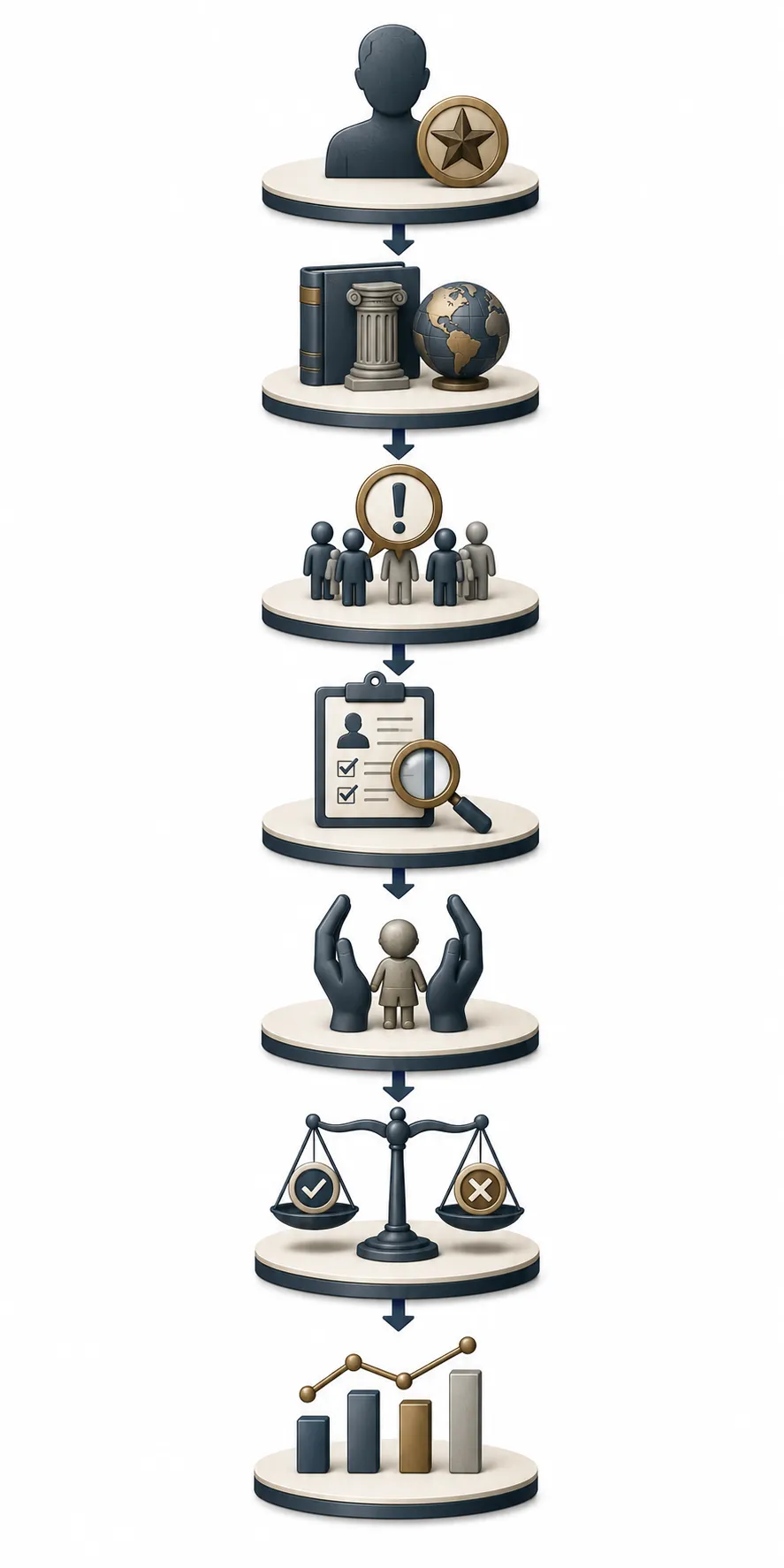
Adolf was a common name in German-speaking countries.
The name became linked to Hitler and World War II.
Public perception made the name unacceptable.
Some countries restrict or reject the name.
The name Adolf is controversial because of its association with Adolf Hitler, the Nazi leader responsible for the Holocaust.
Before World War II, Adolf was a common name in German-speaking countries. After the war, it essentially disappeared.
The name is now rarely used anywhere in the world, regardless of its legal status.
The transformation of Adolf from a common name to a forbidden one is one of the most dramatic shifts in naming history.
Before 1933, Adolf was a respected name in Germany. It meant 'noble wolf' and was carried by artists, writers and ordinary citizens. Then the name became inseparable from one person.
After World War II, the name vanished. Parents simply stopped using it. The social pressure was so strong that laws were not even needed.
Today, the few people still named Adolf are mostly elderly. It is a name that has been effectively erased from birth registries by history itself.
Can I name my child Adolf? Technically yes in many places. But almost no one chooses to.
| Country | Legal Status | Typical Outcome |
|---|---|---|
| Germany | No explicit ban | Often rejected on child welfare grounds |
| United States | Generally legal | Almost never used |
| United Kingdom | Not prohibited | Extremely rare |
| France | Case by case | Likely rejected |
| Australia | Generally allowed | May face review |
| Name | Why It Disappeared | Modern Status |
|---|---|---|
| Adolf | Association with Hitler | Almost extinct |
| Osama | Association with Bin Laden | Declined significantly |
| Nero | Association with Roman tyrant | Very rare |
| Judas | Association with betrayal | Extremely rare |
| Mussolini | Association with Italian dictator | Never common |
Adolf is banned in Germany.
There is no specific law banning the name, but it is rarely approved.
Adolf is banned everywhere.
Most countries allow the name, though it is extremely uncommon.
The name Adolf was always unpopular.
It was once a common name before World War II.
Germany has a law specifically banning Adolf.
The rejection happens on child welfare grounds, not through an explicit ban.
Important
Even in countries where Adolf is technically legal, authorities may reject it if they believe the name would harm the child's wellbeing or expose them to ridicule.
The debate around whether parents can name their child Adolf is about more than one name. It is about the purpose of naming laws.
Parents see a name as self-expression. It is a gift they give their child. It carries hopes, dreams and meaning.
Governments see a name as part of a legal record. It is how they track citizens. It is how they maintain order.
The tension between those two ideas is why naming laws exist in the first place.
Naming laws are designed to balance personal freedom with public responsibility. A name that causes harm to a child or confuses official records falls on the wrong side of that balance.
The story of Adolf shows this tension in its most extreme form. The name is technically legal in many places. But social pressure has made it effectively unusable.
What does that tell us? That laws are not the only force that shapes what names are acceptable. Culture, history and public sentiment are often more powerful.
There is no specific law banning the name Adolf in Germany. However, registry officials often reject it on child welfare grounds.
Yes. The US generally allows the name, though it is extremely rare.
The name is associated with Adolf Hitler and the atrocities of Nazi Germany during World War II.
The name is almost never used worldwide. Even in countries where it is legal, very few parents choose it.
The name effectively disappeared after World War II because of its overwhelming association with Hitler.
Can I name my child Adolf? The legal answer depends on where you live. But the real question is whether any parent would choose a name so burdened by history, regardless of whether it is technically allowed.