Parents Choose Name
A name is selected.
Naming Rules
Most parents spend weeks choosing a baby name. Few expect that a single name might trigger legal debates, religious objections and headlines.
Lucifer is one of the most controversial names in the world. Yet whether you can use it depends entirely on where you live.
Some countries allow it. Others have challenged it. The reasons reveal a surprising story about names, culture and law.
Quick Answer
Can I name my child Lucifer? In many countries, yes, you can legally name a child Lucifer. However, some jurisdictions have challenged or rejected the name because of its religious associations or concerns about potential harm to the child.
Quick Overview
Can I name my child Lucifer? The answer depends on where you live. There is no universal ban, but some countries have challenged or rejected the name.
The controversy comes from the name's association with Satan in Christian tradition, although the original Latin meaning is 'light-bringer'.
Visual Guide
Many countries follow a similar process when deciding whether a name can be registered.
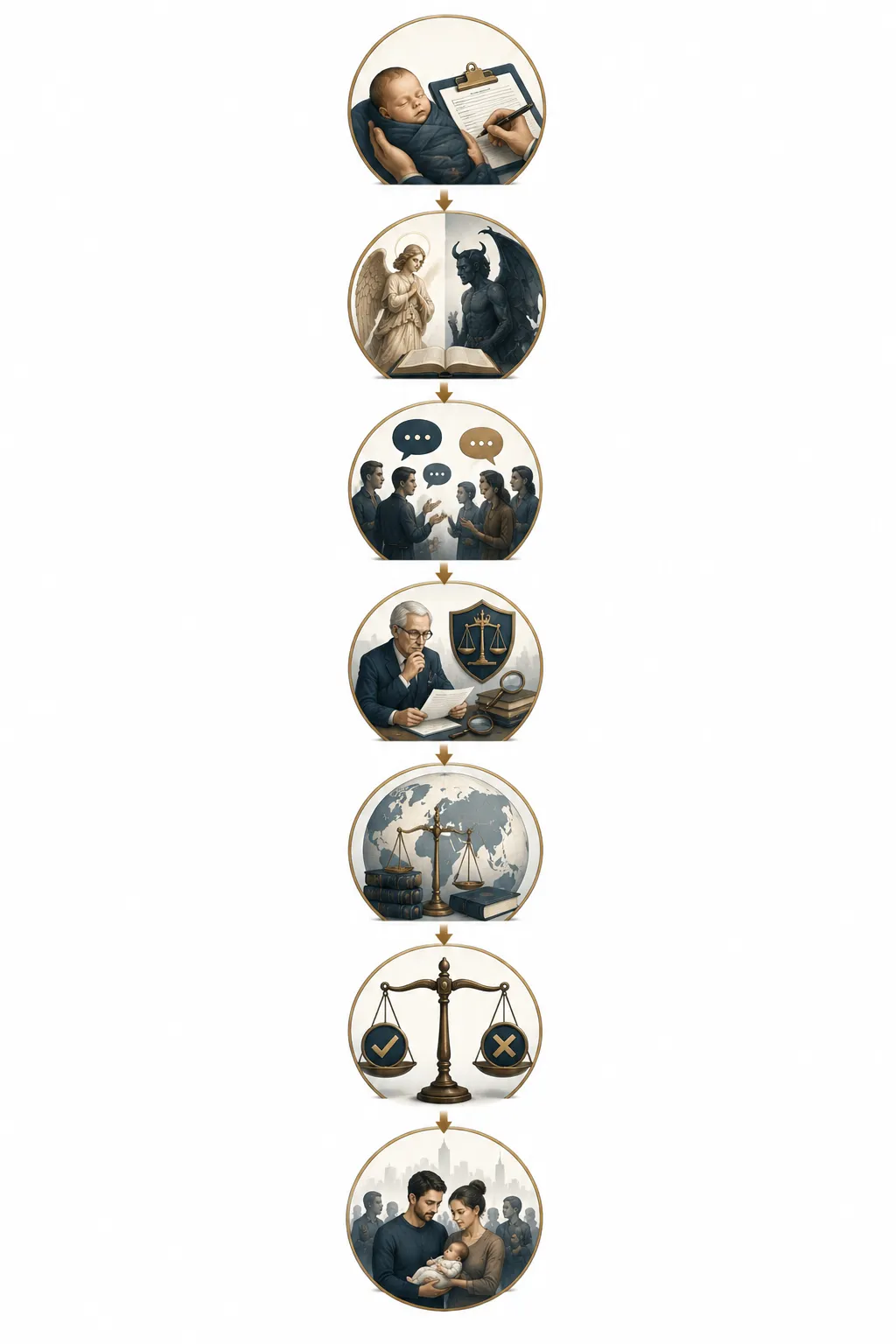
A name is selected.
Authorities review the application.
Local laws are checked.
Decision is made.
The name Lucifer comes from Latin. It means 'light-bringer' or 'morning star'.
In the Bible, the name appears in the Book of Isaiah. It refers to the King of Babylon, not to the devil. The association with Satan came later through Christian tradition and interpretation.
This is important because it shows how the meaning of a name can change over time. What started as a poetic reference to light became associated with the darkest figure in Christian theology.
The controversy comes primarily from Christian tradition, where Lucifer became associated with Satan.
Because names carry cultural meaning, some authorities have argued that the name may expose a child to ridicule or negative attention.
Some countries have rejected the name on religious grounds. Others have allowed it, arguing that parents have the right to choose.
The debate shows how naming laws sit at the intersection of religion, culture and personal freedom.
| Country | Typical Treatment | Reason |
|---|---|---|
| United States | Generally allowed | Broad naming freedom |
| United Kingdom | Case by case | Some cases rejected |
| New Zealand | May be restricted | Offensive or harmful names prohibited |
| Germany | Case by case | Child welfare considerations |
| Canada | Case by case | Some provinces reject |
Lucifer is banned everywhere.
Many countries allow the name.
Lucifer always means Satan.
The original Latin meaning is 'light-bringer'.
All religious names are banned.
Most religious names are allowed. Some are restricted in specific countries.
Lucifer is illegal in the US.
Lucifer is generally legal in the US.
Important
A name that is legal in one country may be rejected in another. Always check local regulations before choosing a controversial name.
The debate around Lucifer shows how names sit at the intersection of language, religion, law and culture. What one society sees as controversial, another may see as perfectly acceptable.
Parents see a name as self-expression. It is a gift they give their child. It carries hopes, dreams and meaning.
Governments see a name as part of a legal record. But they also see it as something that will affect the child for their entire life.
The tension between those two ideas is why naming laws exist in the first place.
The Lucifer case shows how courts and registrars navigate the tension between personal freedom and child protection.
What does that tell us? That naming laws are designed to protect children while respecting parental freedom.
Generally yes, although state-specific situations may vary.
It depends. UK registrars have rejected the name in some cases on child welfare grounds.
The Latin word means 'light-bringer' or 'morning star'.
New Zealand may reject the name if it is considered offensive or likely to cause harm.
The name is associated with Satan in Christian tradition, which makes it controversial for many people.
Can I name my child Lucifer? The legal answer depends on where you live. But the deeper question is whether a child should carry a name so burdened by religious association. Some names are legal. That does not always mean they are wise.