Name Submission
Parents submit the name for registration.
Naming Rules
What sounds like a sweet idea turned into a legal battle in France when a couple tried to name their daughter after a chocolate spread.
The case made headlines around the world and raised a question that many parents had never considered: can a brand name be used as a baby name?
The answer depends on where you live. In France, the answer was no. In other countries, it might be allowed. Here is what you need to know.
Quick Answer
Can I name my kid Nutella? In most countries, there is no specific law banning the name Nutella. However, in France, a court rejected it, ruling that the name would expose the child to ridicule. Other countries may review it on a case-by-case basis, especially if the name could be considered harmful to the child's welfare.
Quick Overview
Can I name my kid Nutella? In most countries, yes. There is no universal ban on the name. However, some countries may review it and potentially reject it if they believe the name could harm the child.
The most famous case happened in France in 2015, where a court rejected the name, ruling that it would expose the child to ridicule because of its association with the chocolate spread.
Visual Guide
Different countries have different processes for evaluating brand names as baby names.
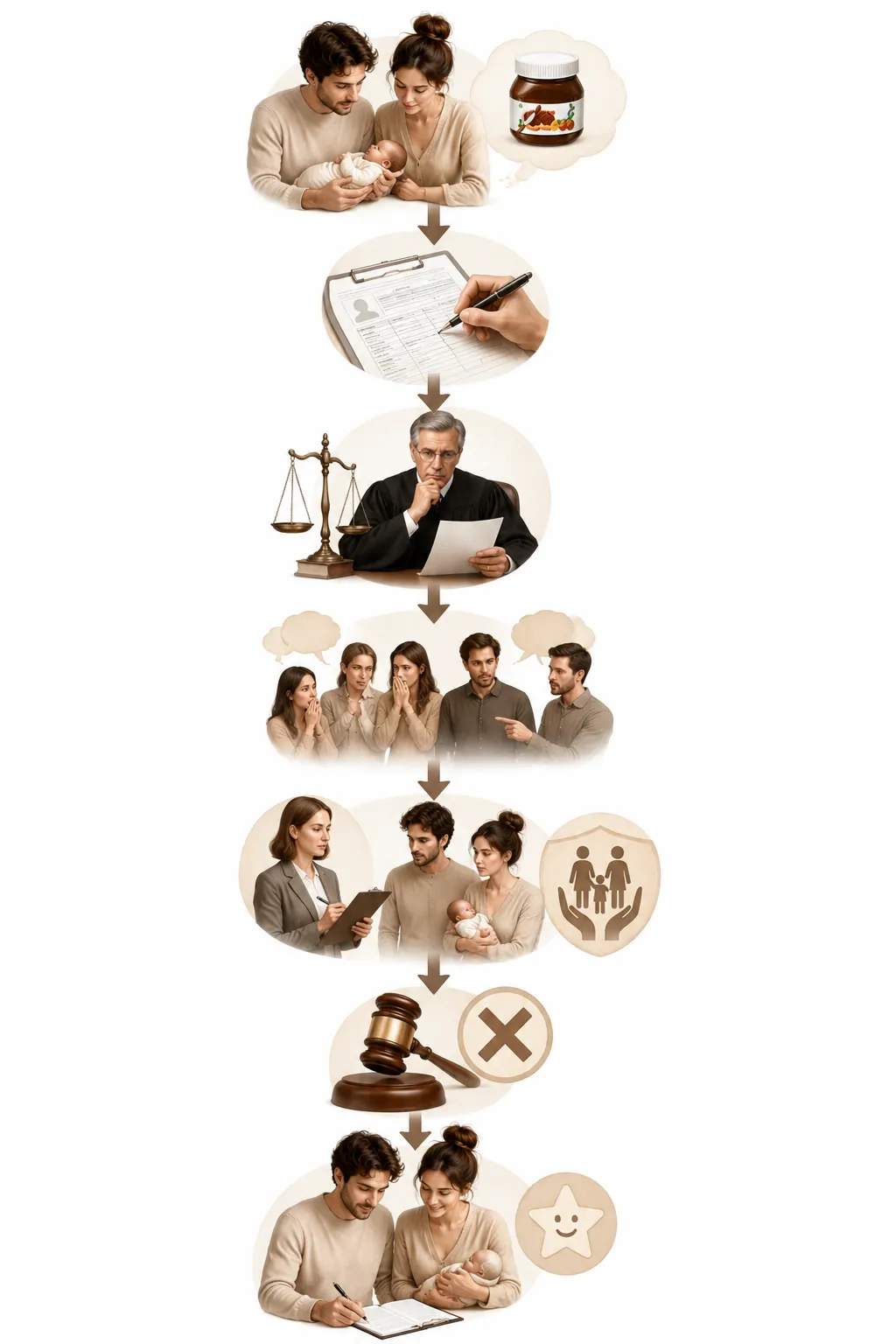
Parents submit the name for registration.
Authorities consider if the name is a trademark.
Name is evaluated for potential ridicule or harm.
Final decision is made by registry officials.
In 2015, a French couple made international headlines when they tried to name their daughter Nutella.
The name was a reference to the popular chocolate hazelnut spread. The parents likely thought it was a sweet and unique choice.
A French court rejected the name. The judge ruled that the name would expose the child to ridicule and that using a brand name as a first name was not in the child's best interest.
The parents were told to choose a name that would not harm the child's future. They eventually chose a different name.
The case became a cautionary tale for parents considering brand names for their children.
Brand names are controversial because they raise questions about identity, marketing and child welfare.
A child named Nutella would forever be associated with a product. They would face questions, jokes and potential bullying throughout their life.
Some people see brand names as creative and unique. Others see them as a form of advertising that puts the parent's desire for attention above the child's wellbeing.
Most naming laws prioritize the child's welfare. If a name is likely to cause ridicule or harm, it is at risk of being rejected.
This is why brand names like Nutella, Superman and others have faced legal challenges in various countries.
| Name | Country | Outcome |
|---|---|---|
| Nutella | France | Rejected |
| Superman | Sweden | Rejected |
| Mexico | Allowed (with dispute) | |
| Various | Case by case |
| Country | Typical Approach | Example |
|---|---|---|
| France | Strict review | Nutella rejected |
| United States | Generally allowed | Few restrictions on brand names |
| United Kingdom | Case by case | May review potential for harm |
| Sweden | Appropriateness review | Superman rejected |
| New Zealand | Restrictions apply | Review for offensiveness |
Nutella is banned everywhere.
The name is only known to have been rejected in France. It is legal in most countries.
All brand names are illegal.
Most brand names are allowed. They are only restricted if they might cause harm to the child.
You can never name your child after a product.
Many children have been named after brands without issue. It depends on the country and the specific name.
The Nutella ban was a national law.
It was a court decision, not a law. The judge ruled based on child welfare concerns.
Important
Can I name my kid Nutella? While it may be legal in your country, consider the long-term consequences. A child named after a product may face ridicule and questions throughout their life.
The debate over whether parents can name their child Nutella is about more than one name. It is about the purpose of naming laws.
Parents see a name as self-expression. It is a gift they give their child. It carries hopes, dreams and meaning. Some parents want a name that is unique, even if it comes from a product.
Governments see a name as part of a legal record. But more importantly, they see it as something that will affect the child for their entire life.
The tension between those two ideas is why naming laws exist in the first place.
The Nutella case shows how courts prioritize child welfare over parental creativity. The judge was not concerned about the law. They were concerned about the child.
What does that tell us? That naming laws are designed to protect children from decisions that might harm them, even when those decisions are made with good intentions.
The question of whether a parent can name their child after a product reveals a deeper tension between personal freedom and social responsibility.
Yes. The US generally allows brand names. However, some states may review names that could cause harm.
A French court rejected the name in 2015, ruling that it would expose the child to ridicule and was not in her best interest.
No. Most brand names are legal. They are only restricted if they might cause harm to the child.
There is no specific ban. However, UK registry officials may review names that could cause harm or offense.
Superman was rejected in Sweden. Other brand names like Google and Facebook have been allowed in some countries but reviewed in others.
Can I name my kid Nutella? The legal answer depends on where you live. But the deeper question is whether a child should carry a product name for their entire life. Some choices are legal. That does not always mean they are wise.