Name Submission
Parents submit the name for registration.
Naming Rules
Yahweh is one of the most sacred names in human history. For millions of people, it is the name of God himself.
Despite its religious significance, some parents have wanted to use it as a personal name. The response from authorities has been mixed.
Some countries allow it. Others have rejected it. The reasons reveal how societies view the relationship between names and the sacred.
Quick Answer
Can I name my child Yahweh? In most countries, it may face restrictions. The name is considered sacred in Judaism and Christianity, and many authorities reject it on religious sensitivity grounds. Some countries have allowed it, while others have explicitly rejected it.
Quick Overview
Can I name my child Yahweh? In most countries, it may face restrictions. The name is considered sacred in Judaism and Christianity.
Some countries have rejected it on religious sensitivity grounds. Others have allowed it. The outcome depends on where you live.
Visual Guide
Different countries evaluate sacred names differently.
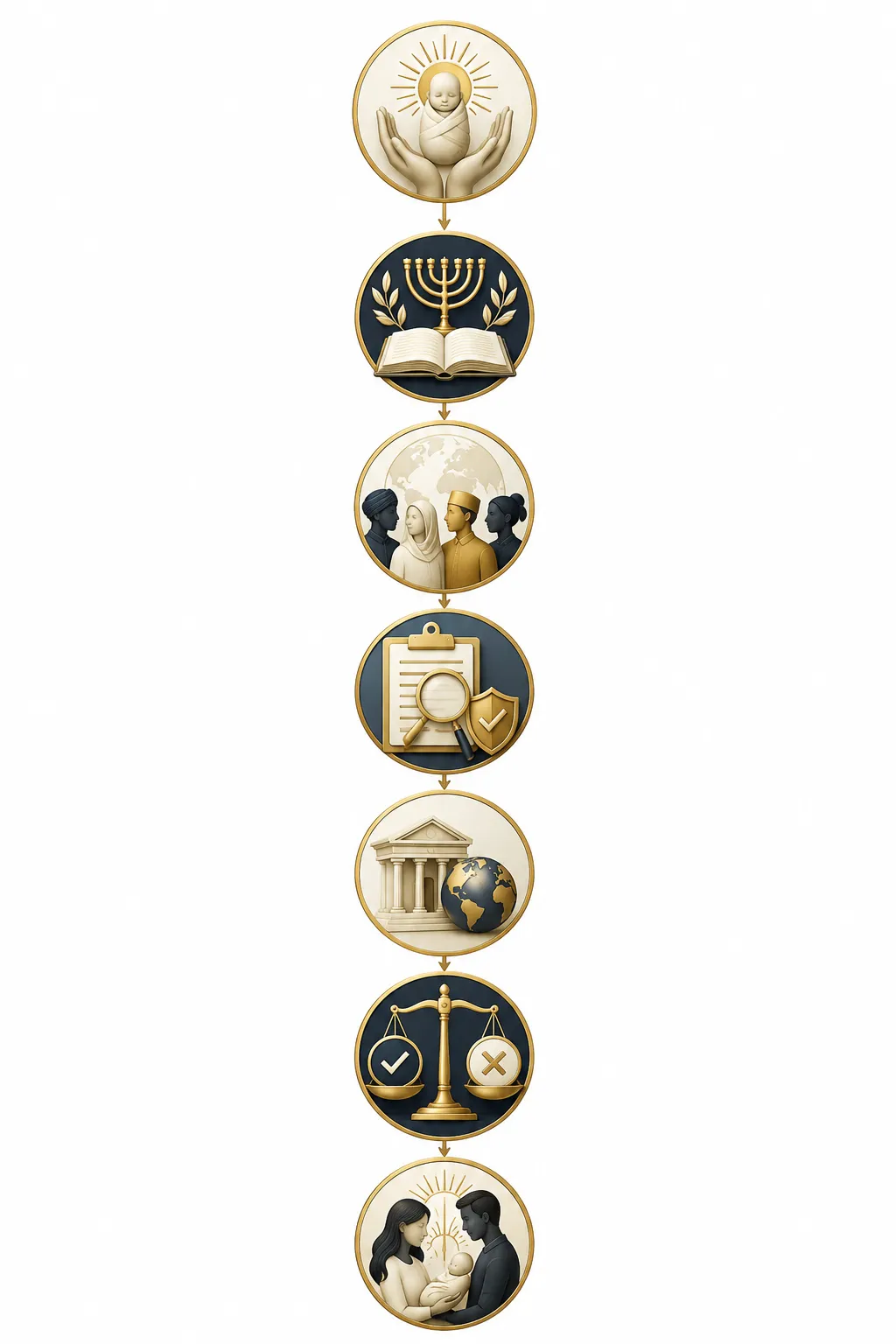
Parents submit the name for registration.
Authorities consider religious significance.
Name is evaluated against cultural norms.
Final decision is made by registry officials.
Yahweh is the name of God in Judaism and Christianity. It comes from the Hebrew Bible.
The name is considered so sacred in Judaism that it is often not spoken aloud. Instead, Jews use other names like Adonai or HaShem.
In Christianity, Yahweh is also the name of God, though it is sometimes used less strictly than in Judaism.
Because of this sacred status, using Yahweh as a personal name is seen as inappropriate or disrespectful by many people.
The name Yahweh is controversial because of its sacred status in two major religions.
In Judaism, the name is considered too sacred to be spoken casually. Using it as a personal name is seen as disrespectful.
In Christianity, the name carries similar reverence. Many Christians believe the name of God should not be used casually.
Because of this religious sensitivity, authorities in many countries have rejected the name when parents try to use it.
The controversy is similar to names like God and Lucifer, which also carry religious weight.
| Country | Legal Status | Typical Outcome |
|---|---|---|
| United States | State dependent | May be allowed in some states |
| United Kingdom | Case by case | Likely rejected on sensitivity grounds |
| Germany | Case by case | Likely rejected |
| France | Case by case | Likely rejected on religious grounds |
| Israel | Not allowed | Sacred name protection |
| Name | Religion | Outcome |
|---|---|---|
| Yahweh | Judaism, Christianity | Often rejected |
| God | Multiple religions | Often rejected |
| Lucifer | Christianity | Restricted in some countries |
| Jesus | Christianity | Generally allowed |
| Mohammed | Islam | Generally allowed |
Yahweh is banned everywhere.
No. Some countries allow it, though it is rarely chosen.
All religious names are banned.
Most religious names are allowed. Some are restricted in specific countries.
Yahweh is just a name like any other.
In Judaism and Christianity, it is the name of God and considered sacred.
Religious sensitivity is the only concern.
Child welfare and potential ridicule are also important factors.
Important
Can I name my child Yahweh? Even if it is legal in your country, consider the religious and social consequences. A child named Yahweh may face significant challenges.
The question of whether a parent can name their child Yahweh reveals the deepest tensions in naming laws.
Parents see a name as self-expression. It is a gift they give their child. It carries hopes, dreams and meaning. Some parents want a name that reflects their beliefs.
Societies see a name as a marker of identity. But they also see it as something that reflects cultural and religious norms.
The tension between those two ideas is why naming laws exist in the first place.
The name Yahweh is particularly charged because it is sacred. In many cultures, there are things that should not be used casually. A name is one of them.
What does that tell us? That naming laws are designed to navigate the tension between individual expression and collective respect.
The question of whether a parent can name their child Yahweh reveals the limits of personal freedom when it comes to religious sensitivity.
It depends on the state. Some states allow it. Others may challenge it on religious sensitivity grounds.
The name would likely be rejected on religious sensitivity grounds. UK registrars have discretion to reject names that could cause offense.
Yahweh is the name of God in Judaism and Christianity. It is considered sacred and should not be used casually.
Yes. In Israel, the name Yahweh is not allowed because it is considered sacred in Judaism.
Names like God and Lucifer have been rejected in various countries. Jesus is generally allowed in most places.
Can I name my child Yahweh? The legal answer depends on where you live. But the deeper question is whether a child should carry a name so sacred and so charged. Some names are legal. That does not always mean they are wise.