Religious Association
Names linked to religious figures may be restricted.
Naming Rules
Some names are so controversial that multiple countries have taken steps to restrict them. But is there a single name that is banned almost everywhere?
The answer is surprising. There is no name that is universally banned. But some names appear on restriction lists more often than others.
What is the most banned name depends on how you measure it. By total countries? By the strength of restrictions? By how often it is rejected?
Quick Answer
What is the most banned name? There is no single name banned everywhere. However, names like Lucifer, Adolf, and royal titles like King or Queen are among the most frequently restricted. Lucifer appears on multiple country restriction lists, while Adolf is often rejected on child welfare grounds, particularly in Germany.
Quick Overview
What is the most banned name? There is no single answer. No name is banned in every country.
However, certain names appear on restriction lists more frequently than others. Lucifer, Adolf, and names that imply royal titles like King or Queen are among the most commonly rejected.
Visual Guide
Different factors contribute to a name being restricted in multiple countries.
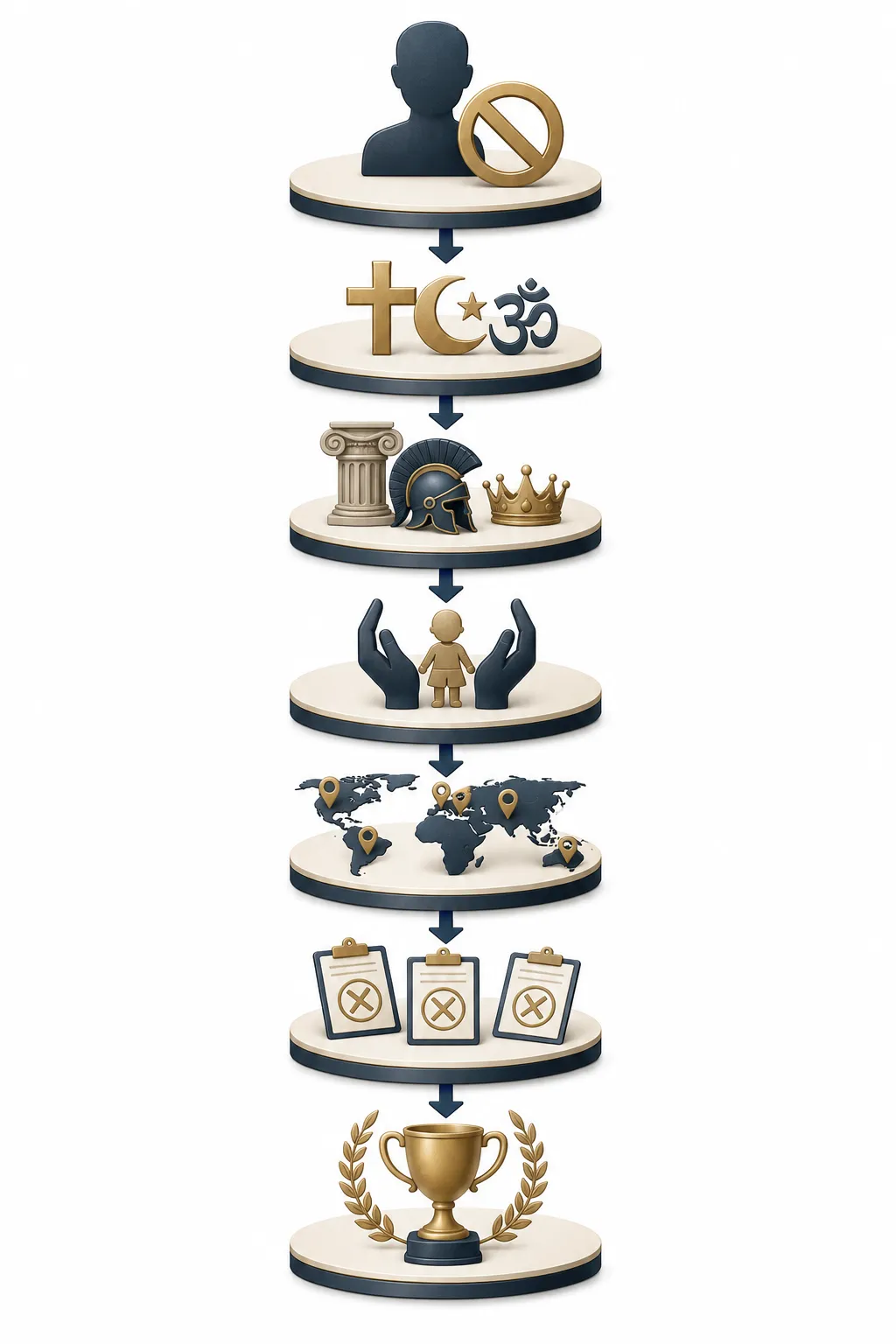
Names linked to religious figures may be restricted.
Names with negative historical associations are often rejected.
Names that may cause ridicule or harm are restricted.
Names that violate cultural or social norms are banned.
A name becomes 'most banned' when it triggers restrictions in multiple countries. The reasons vary but often overlap.
Religious associations are a common factor. Names like Lucifer, Yahweh and Jesus have faced restrictions in different places because of their religious significance.
Historical baggage is another factor. Names like Adolf are rejected because of their association with atrocity and suffering.
Child welfare is perhaps the most universal reason. Any name that might expose a child to ridicule, bullying or harm is at risk of being rejected.
While no name is banned everywhere, several names appear on restriction lists across multiple countries.
Lucifer is perhaps the most famous example. The name has been rejected in several countries because of its religious association with Satan. Yet it remains legal in many places.
Adolf is another strong contender. The name is rarely approved in Germany and faces scrutiny elsewhere because of its historical association with Adolf Hitler.
Royal titles like King, Queen, Prince and Princess are also commonly restricted. Many countries prohibit names that imply a title or rank.
Brand names like Nutella have been rejected in specific cases. While not widespread, these cases attract significant media attention.
The truth is that what is the most banned name depends on how you count. By total countries, Lucifer appears on the most lists. By social stigma, Adolf is the most avoided.
| Name | Why Restricted | Countries With Restrictions |
|---|---|---|
| Lucifer | Religious association with Satan | Multiple countries |
| Adolf | Historical association with Hitler | Germany, several European countries |
| King | Royal title restriction | New Zealand, Australia, others |
| Queen | Royal title restriction | New Zealand, Australia, others |
| Messiah | Religious title | Some US states |
| Yahweh | Religious sensitivity | Some countries |
| Country | Most Restricted Names | Approach |
|---|---|---|
| Germany | Adolf, Judas | Case by case, child welfare focus |
| France | Nutella, Prince | Child welfare and cultural norms |
| New Zealand | King, Queen, Lucifer | Title restrictions and welfare |
| Sweden | Metal, Superman | Appropriateness review |
| Iceland | Names not on approved list | Language protection |
There is one name banned everywhere.
No single name is banned in every country.
Lucifer is illegal worldwide.
Lucifer is legal in many countries but restricted in some.
Adolf is banned in Germany.
There is no explicit ban, but it is rarely approved.
Religious names are always banned.
Most religious names are allowed. Some are restricted in specific countries.
Important
What is the most banned name depends on where you live. There is no global list. Always check local laws before choosing a controversial name.
The search for the most banned name reflects something deeper about human nature. We are fascinated by boundaries. We want to know where the line is drawn.
Parents see a name as self-expression. It is a gift they give their child. It carries hopes, dreams and meaning.
Governments see a name as part of a legal record. It is how they track citizens. It is how they maintain order.
The tension between those two ideas is why naming laws exist in the first place.
The question of what is the most banned name is not really about finding a winner. It is about understanding how societies balance freedom and responsibility.
Every country draws the line differently. Some give parents almost total freedom. Others impose strict rules. Where the line falls tells you something about the society.
It tells you what they value. Individual expression. Social harmony. Cultural preservation. Child welfare.
The debate over banned names is not really about the names themselves. It is about the balance between personal freedom and public identity.
There is no single name banned everywhere. Lucifer and Adolf are among the most frequently restricted, but no name is universally illegal.
No. Lucifer is legal in many countries but has faced restrictions in several places because of its religious associations.
There is no specific law banning Adolf in Germany. However, registry officials often reject it on child welfare grounds.
Many countries prohibit names that imply royal titles like King or Queen because they may confuse official records or imply social status.
It depends on where you live. Some countries allow it. Others may reject it. Always check local laws.
What is the most banned name? The question matters less than what the answer reveals. Every country's naming restrictions tell you what that society values. What they protect. What they fear. What they consider sacred.