Name Submission
Parents submit a name for registration.
Naming Rules
Most parents never think twice about whether their baby name could be illegal. But in many countries, naming laws are real, enforced and sometimes surprising.
From common names like Jesus to unusual ones like Nutella, the list of banned names reveals a lot about how different societies think about identity, religion and child welfare.
The rules vary wildly. Some countries ban names that might embarrass a child. Others prohibit royal titles or religious references. Here is what you need to know.
Quick Answer
What names are considered illegal depends entirely on your country. Broadly, banned names include those that might harm a child's welfare, cause confusion, or violate cultural or religious norms. Examples include Lucifer in some countries, Nutella in France, and titles like King or Queen in several places.
Quick Overview
What names are considered illegal varies significantly by country. There is no universal list of banned names that applies everywhere.
Generally, names are rejected if they could harm the child's welfare, cause confusion, or violate cultural, religious or legal norms.
Visual Guide
Different countries follow different processes when deciding whether a name is illegal.
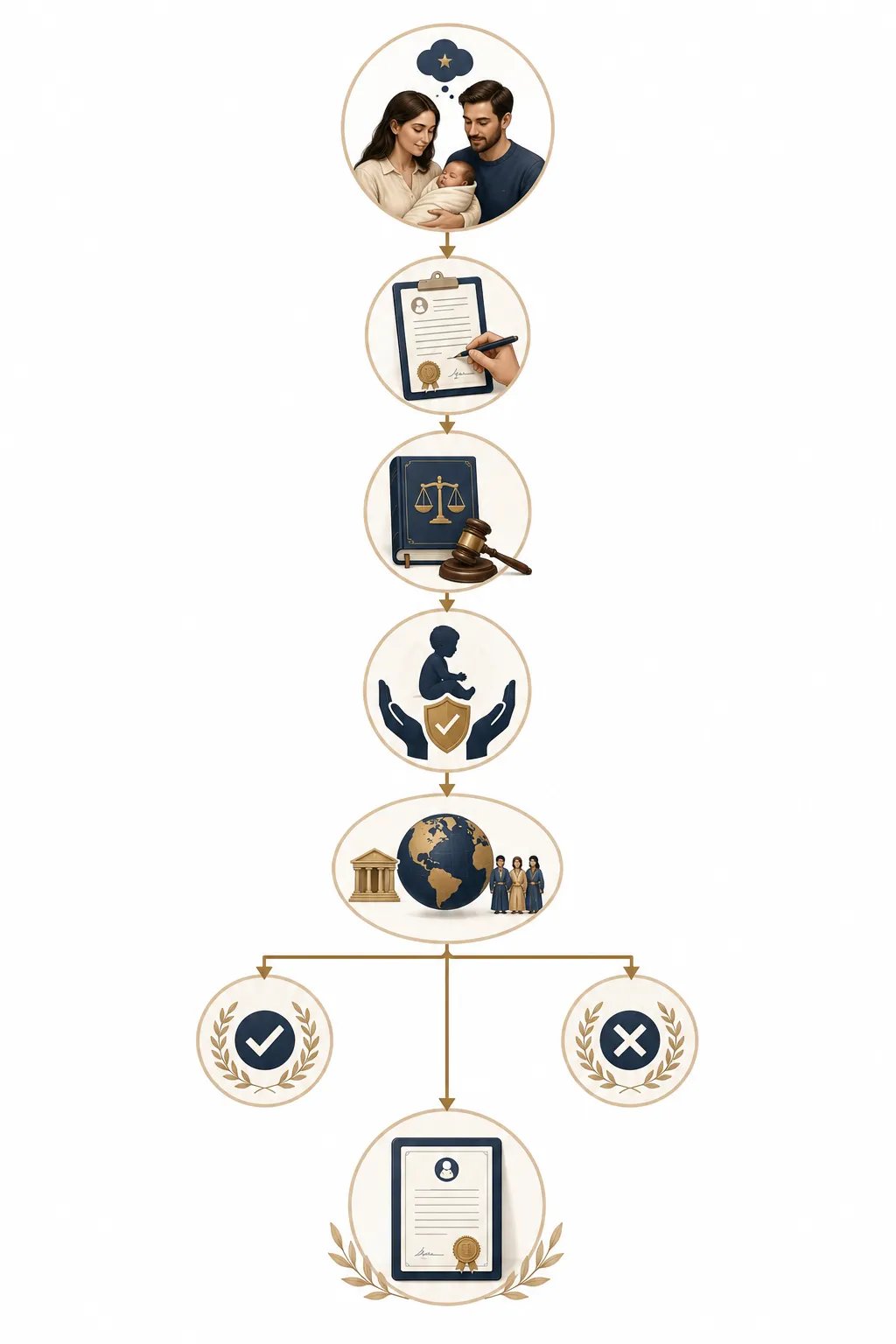
Parents submit a name for registration.
Authorities check against local naming laws.
Name is evaluated against child welfare standards.
Final decision is made by registry officials.
Governments care about baby names for reasons that go far beyond tradition. The laws exist to protect children, maintain public records and preserve cultural identity.
The most common reason is child welfare. A name that exposes a child to ridicule, bullying or embarrassment is considered harmful. This is why names that sound offensive or carry negative associations are often rejected.
Another reason is administrative. Public records need to function. Names with numbers, symbols or excessive length can break computer systems or create confusion in official documents.
Cultural protection is also a factor. Some countries restrict names to preserve language traditions or prevent the use of titles like King or Queen that imply social status.
Some of the most famous banned name cases have made headlines around the world. These stories reveal the boundaries of what societies will accept.
In France, a couple tried to name their daughter Nutella. The court rejected it, ruling that the name would expose the child to ridicule. The parents were told to choose a name that would not harm the child's future.
In Sweden, a family attempted to name their child Superman. The name was rejected. Swedish naming authorities have a history of rejecting names that are considered inappropriate or unusual.
Perhaps the most extreme case comes from New Zealand, where a child was given the name Brfxxccxxmnpcccclllmmnprxvclmnckssqlbb11116. The parents were protesting naming laws. The government rejected it.
In the United States, the name Messiah has been restricted in some states. The argument was that the title belongs to a religious figure and should not be used casually as a first name.
These cases show that what names are considered illegal is not just about law. It is about culture, religion and what a society believes is appropriate for a child.
| Type | Example | Why Rejected |
|---|---|---|
| Numbers | 67 | Confuses official records |
| Symbols | @ | Not compatible with registration systems |
| Royal Titles | King | Implies social status |
| Offensive Names | Curse words | Causes harm to child |
| Brand Names | Nutella | May cause ridicule |
| Religious Figures | Yahweh | Cultural sensitivity |
| Country | Examples of Banned Names | Reason |
|---|---|---|
| France | Nutella, Prince | Potential for ridicule |
| Germany | Adolf, Judas | Child welfare concerns |
| New Zealand | King, Queen, Lucifer | Title restrictions |
| Sweden | Metal, Superman | Names deemed inappropriate |
| Iceland | Names not on approved list | Language protection laws |
There is a global list of banned names.
No single list exists. Each country has its own rules.
All religious names are banned.
Most are allowed. Some are restricted in certain countries.
Any name can be used in the US.
The US has broad freedom, but some states have restrictions.
Names are only banned for being offensive.
Names are also banned for practical reasons like confusing official records.
Important
A name that is legal in one country may be illegal in another. Always check the specific naming laws where you plan to register the birth.
Because names sit at the intersection of personal freedom and public identity.
Parents see a name as self-expression. It is a gift they give their child. It carries hopes, dreams and meaning.
Governments see a name as part of a legal record. It is how they track citizens. It is how they maintain order.
The tension between those two ideas is why naming laws exist in the first place.
Every country draws the line differently. Some give parents almost total freedom. Others impose strict rules. Where the line falls tells you something about the society.
It tells you what they value. Individual expression. Social harmony. Cultural preservation. Child welfare.
The debate over what names are considered illegal is not really about the names themselves. It is about the balance between freedom and responsibility.
The US does not have a national list of banned names. However, some states restrict names that contain numbers, symbols or obscenities.
No. Most countries have some restrictions on naming to protect child welfare, cultural norms or legal standards.
Names are typically banned because they might cause harm to the child, create confusion, or violate cultural, religious or legal norms.
Names that are offensive, promote hatred, or would cause harm to the child can be rejected by UK registry officials.
In France, parents were not allowed to name their child Nutella because the court ruled it would cause ridicule.
What names are considered illegal varies by culture, law and place. The question is not just about legality but about what a society considers appropriate, respectful and safe for a child to carry.