NAMING GUIDE

How Do Muslims Pick Baby Names?

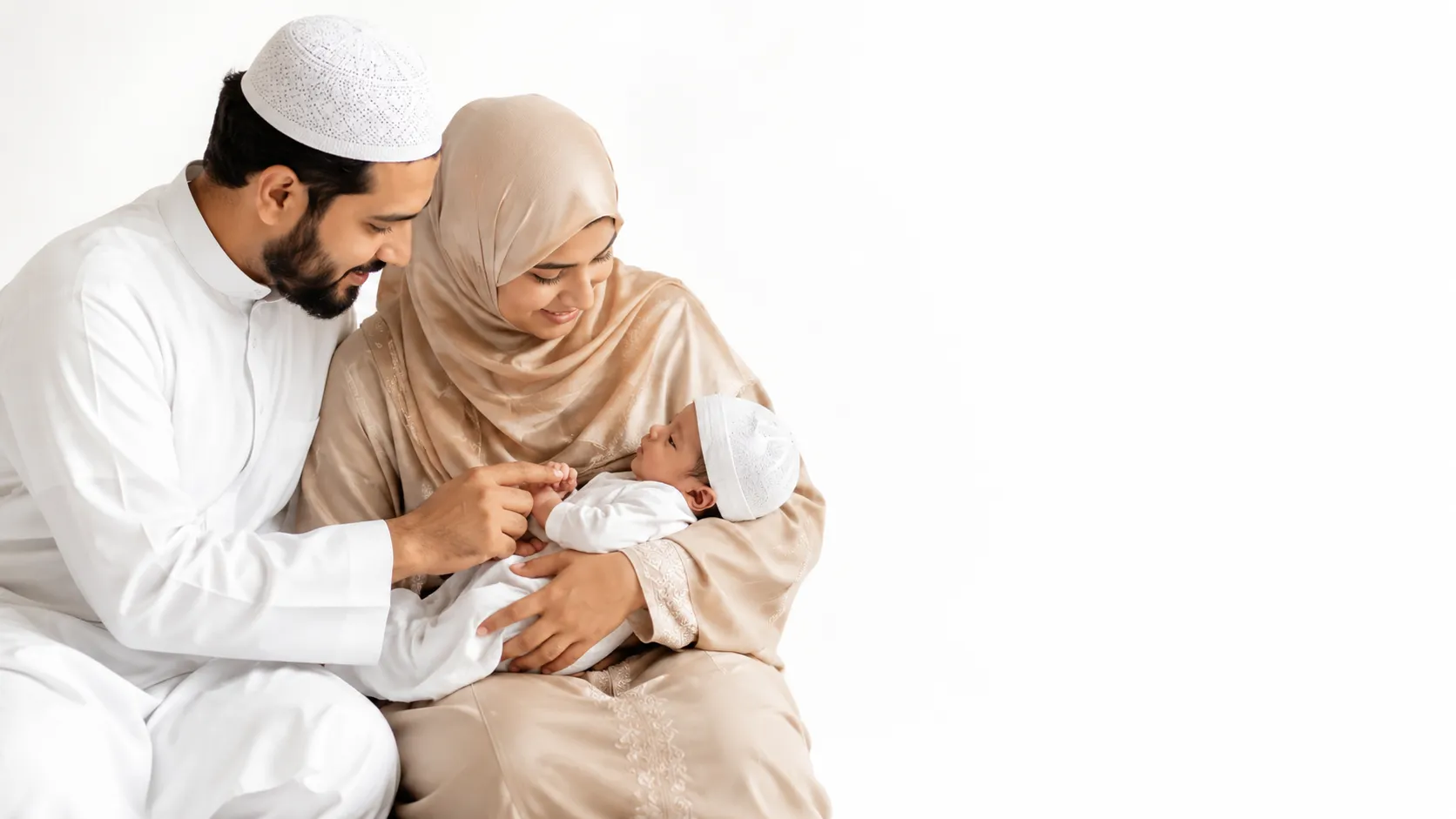
For many Muslim families, choosing a baby's name is an act of care and faith. The meaning matters as much as the sound.

This guide explains how many Muslim families approach baby naming, including the importance of good meanings, names from the Quran, prophet names, Arabic and cultural names, and what parents commonly consider or avoid.

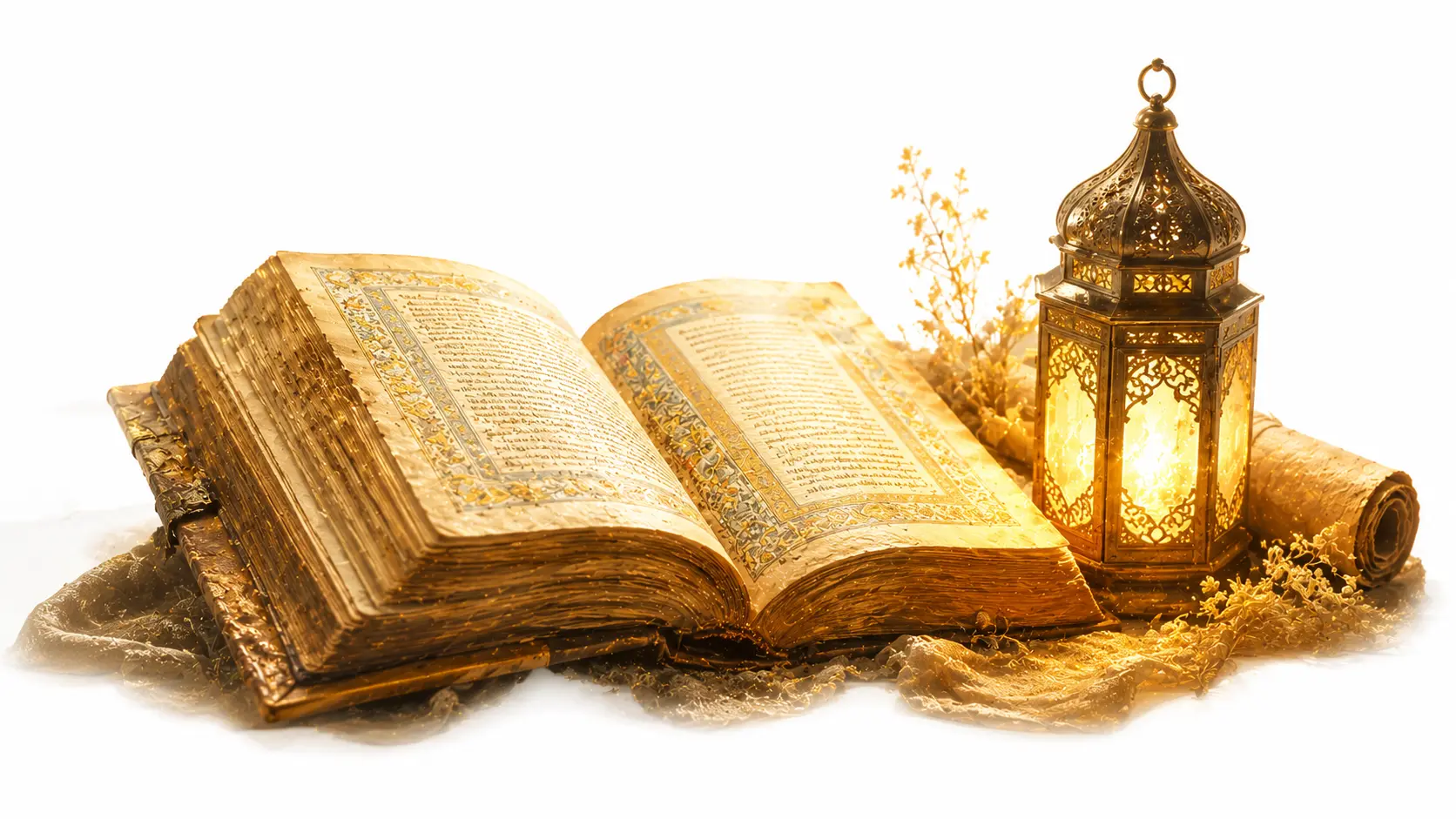
A Quran open on a table next to a notepad with Arabic baby names written on it

Quick Answer

Many Muslim families choose names based on good meaning, connection to Islamic identity, and names from the Quran, the Prophet, or his companions. The name is seen as a gift that stays with the child for life, so its meaning and character are taken seriously.

How Many Muslim Families Choose Names

Naming a child is considered an important responsibility in many Muslim families. The name is often seen as the first gift a parent gives.

Many families look for names that carry good meanings. The belief that a name can shape how a person is thought of, and perhaps how they think of themselves, makes meaning a central part of the search.

In practice, this often means parents look at Quranic names, names of prophets, names from the companions of the Prophet, and names with beautiful or virtuous meanings in Arabic. Cultural names from South Asian, Turkish, Persian, African, or other traditions are also commonly chosen, especially when they carry meanings that align with Islamic values.

Many families consult with parents or grandparents, and some seek guidance from an imam or knowledgeable community member.

The Importance of Good Meaning

Meaning is central to Islamic naming tradition. Here is how families typically think about it.

Names that reflect virtue

Many parents look for names meaning things like gratitude, guidance, light, blessing, or mercy. These names carry an aspiration for the child's character and life.

Names connected to Allah

Many classical Arabic names are constructed with Abd, meaning servant of, followed by one of the names of Allah. These names are widely used across Muslim communities globally.

Checking the meaning carefully

Many parents look up the meaning of a name in its original language before choosing it, even for names that sound familiar. Arabic words can have layered meanings, and parents often want to make sure the name they love carries the meaning they intend.

Names to approach carefully

Many Muslim families are cautious about names with unclear meanings, names associated with oppressors in Islamic history, or names that make exclusive claims about the child that might not be appropriate. Each family makes their own informed choices based on knowledge and guidance.

Quranic Names and Prophet Names

Names that appear in the Quran or that were carried by prophets mentioned in the Quran hold a special place in many Muslim families' naming traditions.

The name of the Prophet Muhammad is the most widely given name in the Muslim world, and variations of it appear across many cultures and languages.

Other prophets mentioned in Islam, including Ibrahim, Musa, Isa, Dawud, Sulayman, and Yusuf, are all names that many Muslim families choose. Each carries the history and character of a prophet alongside its meaning.

Names from the Quran include both directly mentioned names and words that appear as attributes or descriptions. Many parents explore these with care and seek to understand the context of a name before choosing it.

Arabic and Cultural Names

Arabic names are the most common choice in many Muslim communities, partly because of the language's connection to the Quran and Islamic scholarship.

But Muslim families come from many backgrounds, and naming traditions vary widely. South Asian Muslim families often use Urdu or Persian names alongside Arabic ones. Turkish families may use Turkic names with Islamic meanings. West African Muslim families often have names drawn from local languages that have been part of their tradition for centuries.

For many families, the cultural name and the Islamic meaning can coexist beautifully. A name that comes from a family's heritage and also carries a meaning aligned with faith can be a very meaningful choice.

Some families use the aqiqah ceremony, usually performed on the seventh day after birth, as the occasion to formally announce the name.

What Parents Usually Avoid

Many Muslim families are cautious about names that carry negative meanings or poor connotations. Names that historically belonged to known oppressors or enemies of prophets are often avoided.

Names that are exclusively associated with non-Islamic religious figures are also often avoided by many families, though practices vary widely.

Some families are also careful about names that sound like they are shared with the opposite gender, or names with meanings they cannot verify.

These are general patterns and families make their own informed decisions. What one family avoids, another may choose with full knowledge and good reasons.

Practical Tips for Muslim Parents Choosing a Name

A simple process many Muslim families find useful.

1

Start with meaning

Decide what quality or virtue you want the name to carry. Look for names in Arabic, Urdu, Persian, or your heritage language that match.

2

Verify the meaning

Look up the name in a reliable source. Arabic names especially can have multiple meanings or historical associations worth knowing.

3

Consider pronunciation in your community

A name that is beautiful in Arabic may be pronounced very differently in English, Urdu, or Turkish. Think about how the name will be said every day in the context you live in.

4

Consult with people you trust

Many families ask an imam, a knowledgeable elder, or trusted family members for input. This is especially helpful for verifying meanings and historical associations.

5

Give the name with intention

Many families say the adhan in the baby's ear at birth and announce the name formally at the aqiqah. These moments give the name its first meaningful context in the child's life.

Quick Tips

  • Verify Arabic name meanings in a reliable source before deciding
  • Names of prophets and companions are always safe choices in terms of meaning
  • Cultural names can be beautiful and still align with Islamic values
  • Think about how the name will be pronounced in your everyday community
  • The aqiqah on the seventh day is a traditional occasion for formally naming the baby

FAQ

The Quran contains many names, mostly of prophets and figures in Islamic history. Beyond those, it uses many beautiful words that some families adapt into names. There is no single prescribed list, and families draw from multiple sources.