NAMING GUIDE

How Does the Royal Family Choose Baby Names?

Royal baby names feel like they come from a different era. That is partly because they do. Tradition, family history, and public expectation all play a role.

This guide explains how the British royal family approaches baby naming, from honoring ancestors and carrying historical names to balancing tradition with modern taste.

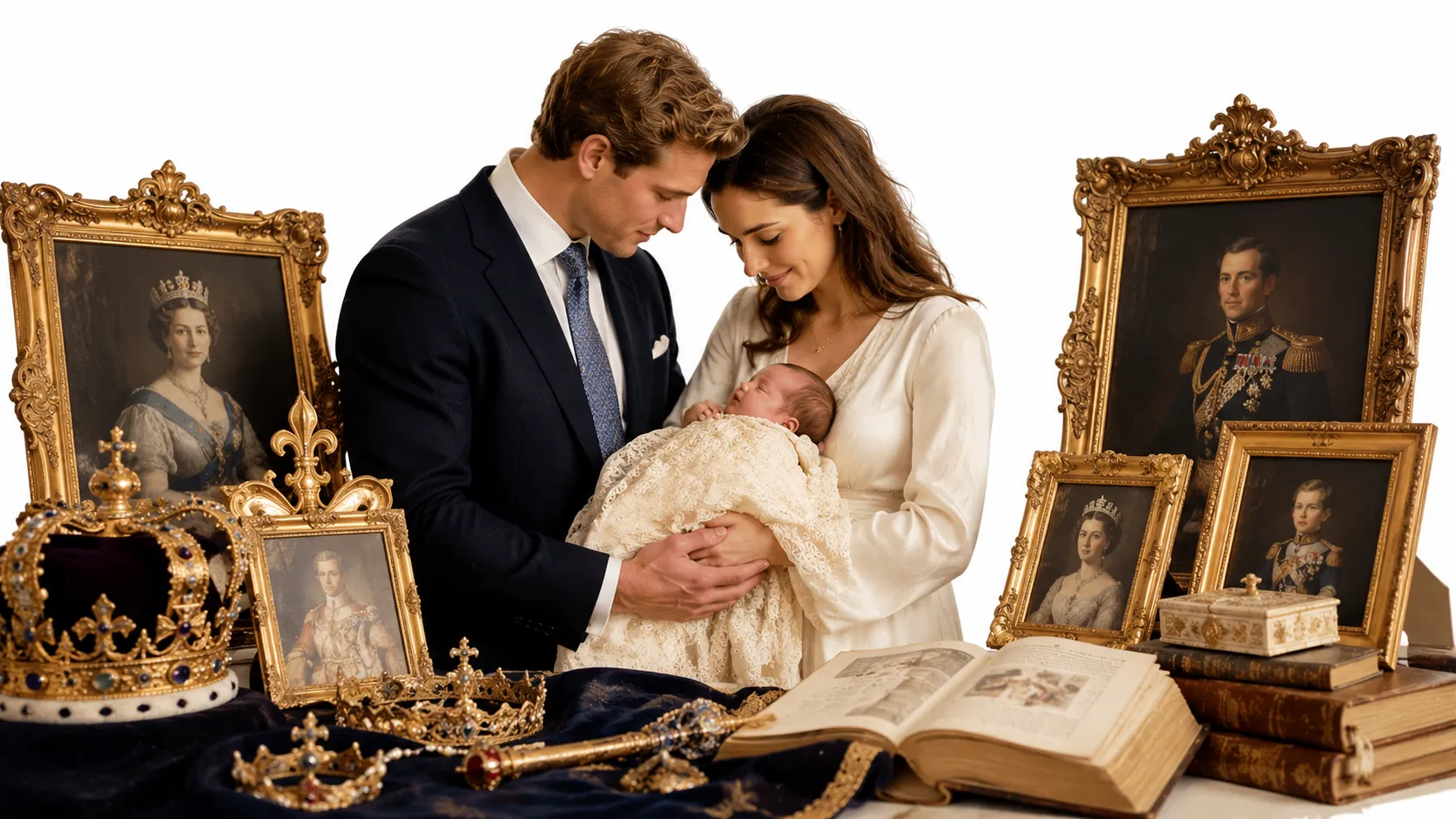
A formal portrait photograph with royal regalia and a ornate frame, representing British royal tradition

Quick Answer

Royal baby names are chosen with a strong emphasis on family history, honoring deceased relatives, and maintaining a sense of continuity with the monarchy's past. Tradition carries significant weight, though more recent generations have shown a willingness to balance that with personal meaning.

Why Royal Baby Names Feel Traditional

The British royal family has a long tradition of using names that have appeared across multiple generations. Names like George, Charles, William, Mary, and Elizabeth have been used so many times across centuries of royal history that they carry an almost institutional weight.

This is deliberate. Royal names are not just personal. They are part of a public identity, a continuity of monarchy that stretches back centuries. Choosing a name that has royal precedent is a way of connecting a new royal to that lineage.

For the public, familiar royal names also feel safe and appropriate. Names that are too unusual or modern can attract significant media attention and debate, which many royal parents have historically wanted to avoid.

Honoring Family History

One of the most consistent patterns in royal naming is the honoring of ancestors through name repetition or combination.

Using a grandparent or great-grandparent's name

It is common for royal children to carry the name of a deceased or living grandparent or great-grandparent. This is seen as a mark of respect and a way of keeping that person's memory within the family.

Middle names as a collection of tributes

Royal children often have three or four names. The first is the name they are known by publicly. The others are typically a collection of tributes to ancestors, godparents, or significant family figures. These middle names rarely get used in daily life but carry significant meaning.

Repeating names across generations

The same names appear repeatedly across the royal family tree. This creates a sense of continuity but can also create some confusion. Numerals like Charles III or George VI help distinguish them historically.

Names tied to specific reigns

Some names carry the weight of a particularly significant reign. The name Elizabeth, for example, carries enormous historical and emotional significance given the length and nature of Queen Elizabeth II's rule.

Repeated Royal Names

Several names appear so frequently in royal history that they have become almost synonymous with the monarchy itself.

George, for example, has been the name of six British kings. It appears in the names of multiple living royals as either a first or middle name. When Prince William and Catherine named their eldest son George, it was understood immediately as a nod to this history.

Similarly, names like Mary, Anne, Henry, and Edward appear repeatedly across the royal family tree over centuries. These names are not just choices. They are statements of continuity and belonging.

Public Pressure and Media Attention

Royal baby names are announced to enormous public interest. Before each announcement, bookmakers take bets and media speculation runs for months. This puts a specific kind of pressure on royal parents that ordinary families do not experience.

The awareness that every name choice will be analysed, compared to historical precedent, and debated publicly means royal parents are always navigating multiple audiences at once.

Some royal names have surprised commentators. When Prince Harry and Meghan named their daughter Lilibet, it was both a deeply personal tribute to Queen Elizabeth II's childhood nickname and an unexpected choice given how intimate that name was within the family. It generated significant public discussion.

The balance between personal meaning and public expectation is a real tension in royal naming.

Modern Changes in Royal Naming

More recent generations of the royal family have shown a slightly different approach to naming.

Prince William and Catherine's children, George, Charlotte, and Louis, are all traditional names, but Charlotte was considered a more contemporary choice compared to older alternatives. The choice showed that the family was aware of current naming sensibilities while still anchoring the names in tradition.

Harry and Meghan's choices of Archie and Lilibet were more personal and less formally royal. Archie in particular was a name that had no strong precedent in the immediate royal family and signaled a deliberate step away from the most formal aspects of royal naming convention.

This tension between tradition and personal taste is likely to continue as younger generations of royals begin having their own families.
Quick Tips

  • Royal middle names are usually tributes rather than names used in daily life
  • The first name is the public name, the others are often chosen for historical reasons
  • Traditional royal names tend to be well-established classics rather than trendy choices
  • More recent royals have shown that personal meaning can coexist with tradition
  • The public and media expect traditional names, and departures from this attract significant attention

FAQ

There is no formal requirement for the monarch to approve baby names for all members of the royal family. However, for those in the direct line of succession, there is a strong tradition of consultation and the names are chosen with the family's input.