Name Submitted
Parents submit the name Rogue for registration.
Naming Rules
A simple word. A popular character in games and movies. But for one British couple, it was a name that caused a legal battle.
When parents tried to name their child Rogue, UK registrars rejected it. The reason reveals how naming laws work in practice.
The UK does not have a list of banned names. Instead, registrars make case-by-case decisions. Here is why Rogue was rejected.
Quick Answer
Why is the name Rogue banned in UK? The name Rogue was rejected because UK registrars considered it inappropriate for a child. The word 'rogue' has negative connotations, meaning a dishonest or unprincipled person. Registrars have the authority to reject names that could expose a child to ridicule or harm.
Quick Overview
Why is the name Rogue banned in UK? The name was rejected because UK registrars considered it inappropriate for a child.
The word 'rogue' has negative connotations, meaning a dishonest or unprincipled person. Registrars have the authority to reject names that could expose a child to ridicule or harm.
Visual Guide
The process of evaluating whether a name is appropriate in the UK.
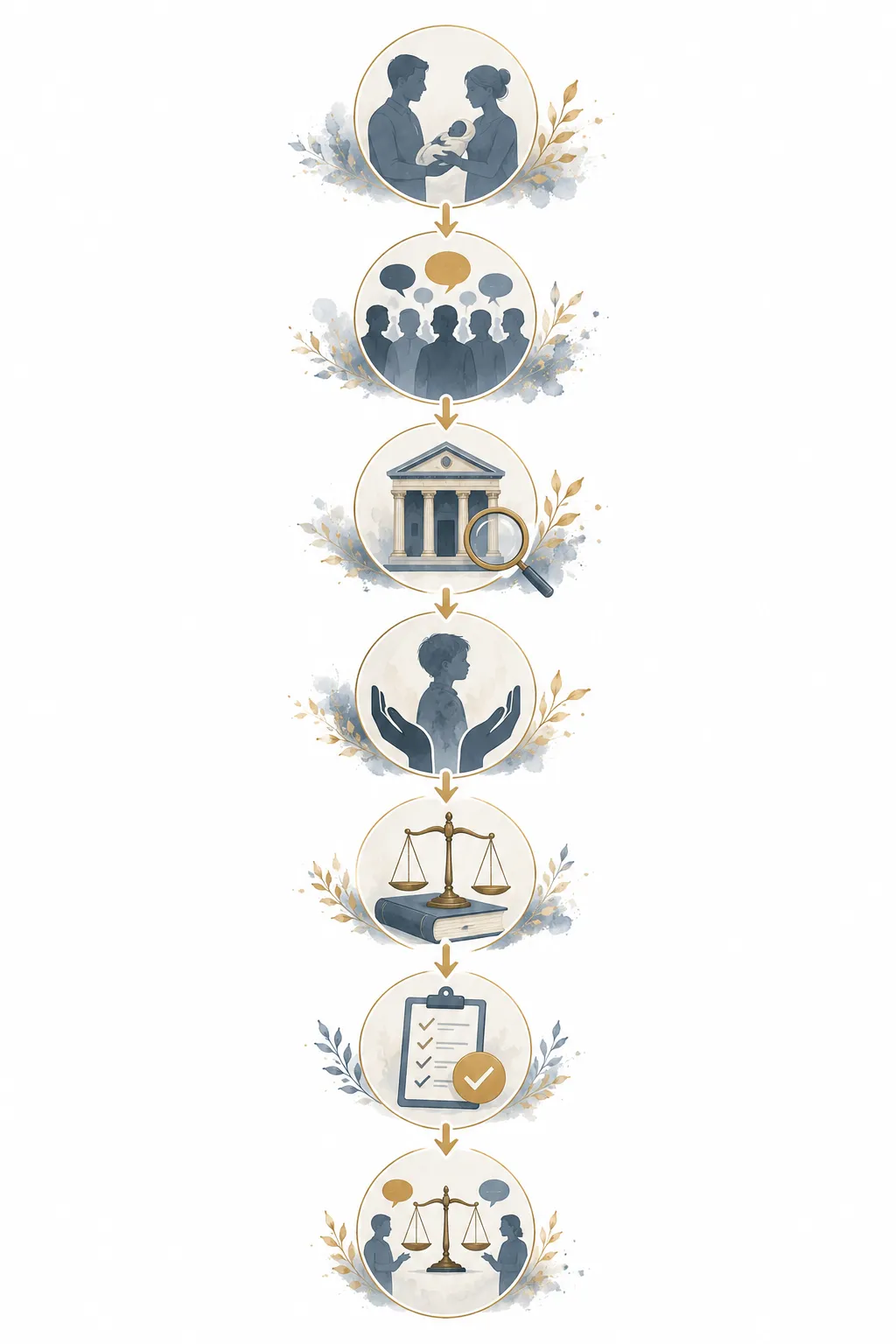
Parents submit the name Rogue for registration.
Registrar evaluates the name's meaning.
Name is checked for negative connotations.
Name is rejected as inappropriate for a child.
The name Rogue was rejected by UK registrars when parents attempted to register it for their child.
The word 'rogue' has multiple meanings. In games and movies, it often refers to a character who is independent and rebellious. But the dictionary definition is more negative.
A rogue is defined as a dishonest or unprincipled person. It can also mean a person who is playful but unreliable.
UK registrars determined that the negative connotations of the word made it inappropriate for a child. They ruled that the name could expose the child to ridicule or negative attention.
This case shows how UK naming laws work in practice. It is not about specific banned names. It is about what registrars consider appropriate.
The word 'rogue' has several meanings, depending on context.
The primary definition is a dishonest or unprincipled person. This is the meaning that UK registrars focused on.
A secondary definition is a person who behaves playfully but is unreliable. This is slightly less negative but still carries negative connotations.
In games and pop culture, 'rogue' often refers to a character who is independent, stealthy and rebellious. This is a more positive interpretation.
However, UK registrars focused on the dictionary definition when evaluating the name.
| Name | Reason For Rejection | Country |
|---|---|---|
| Rogue | Negative connotations | UK |
| Lucifer | Religious association with Satan | UK, others |
| Adolf | Historical association with Hitler | Germany, others |
| Nutella | May cause ridicule | France |
| Superman | Deemed inappropriate | Sweden |
| Ground | Description | Applies To Rogue? |
|---|---|---|
| Offensive | Name contains offensive content | No |
| Promotes Hatred | Name could encourage hatred | No |
| Causes Harm | Name could expose child to harm or ridicule | Yes |
| Negative Connotations | Name has negative dictionary meaning | Yes |
Rogue is officially banned in the UK.
There is no official list. The name was rejected in specific cases.
UK registrars can reject any name they dislike.
Registrars must have grounds like offensiveness or potential harm.
Rogue has no negative meaning.
The dictionary definition is a dishonest or unprincipled person.
Pop culture meanings override dictionary definitions.
Registrars focus on dictionary definitions when evaluating names.
Important
Why is the name Rogue banned in UK? Because UK registrars consider dictionary definitions. Before choosing a name, consider its meaning. Negative connotations can lead to rejection.
The Rogue case reveals how UK naming laws work in practice.
Parents see a name as self-expression. Some parents choose names based on pop culture or personal meaning. They may not consider dictionary definitions.
Governments see a name as something that will affect the child for their entire life. They focus on potential harm and negative associations.
The tension between those two ideas is why naming laws exist in the first place.
The Rogue case shows how registrars navigate this tension. They prioritize child welfare over parental creativity.
What does that tell us? That naming laws are designed to protect children from decisions that might harm them.
The question of why a name like Rogue was rejected reveals the gap between how parents see a name and how society evaluates it.
The name was rejected because the word 'rogue' has negative connotations, meaning a dishonest or unprincipled person. Registrars considered it inappropriate for a child.
No. There is no official list of banned names. Rogue was rejected in specific cases by registrars.
Yes. Parents who have a name rejected can appeal the decision.
Names like Lucifer and Adolf have been rejected in some cases. Registrars evaluate each case individually.
In pop culture, 'rogue' can mean an independent or rebellious character. However, UK registrars focus on the dictionary definition.
Why is the name Rogue banned in UK? Because dictionary definitions matter. A name that sounds cool in pop culture may have negative connotations in real life. Before choosing a name, consider what it actually means.